

Trap-Neuter-Return (TNR)
At Despurate House Cats, we focus on helping cats who have nowhere else to turn. Through TNR, we provide community cats with the care they need while preventing future suffering.
From rural areas like our home base in New Milford to densely populated communities throughout Connecticut, the need is enormous. Every spay, neuter, vaccine, and medical intervention helps break the cycle.
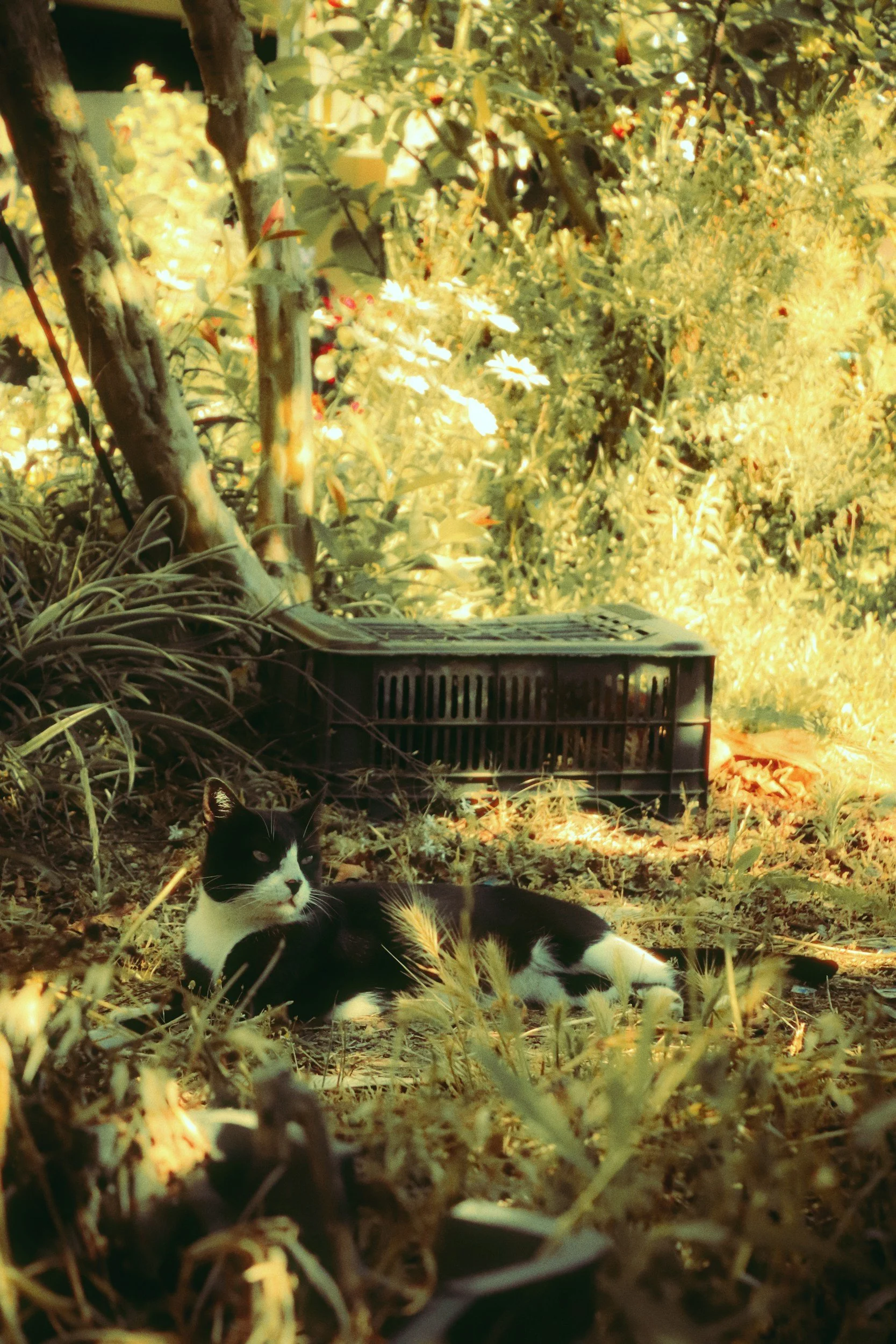
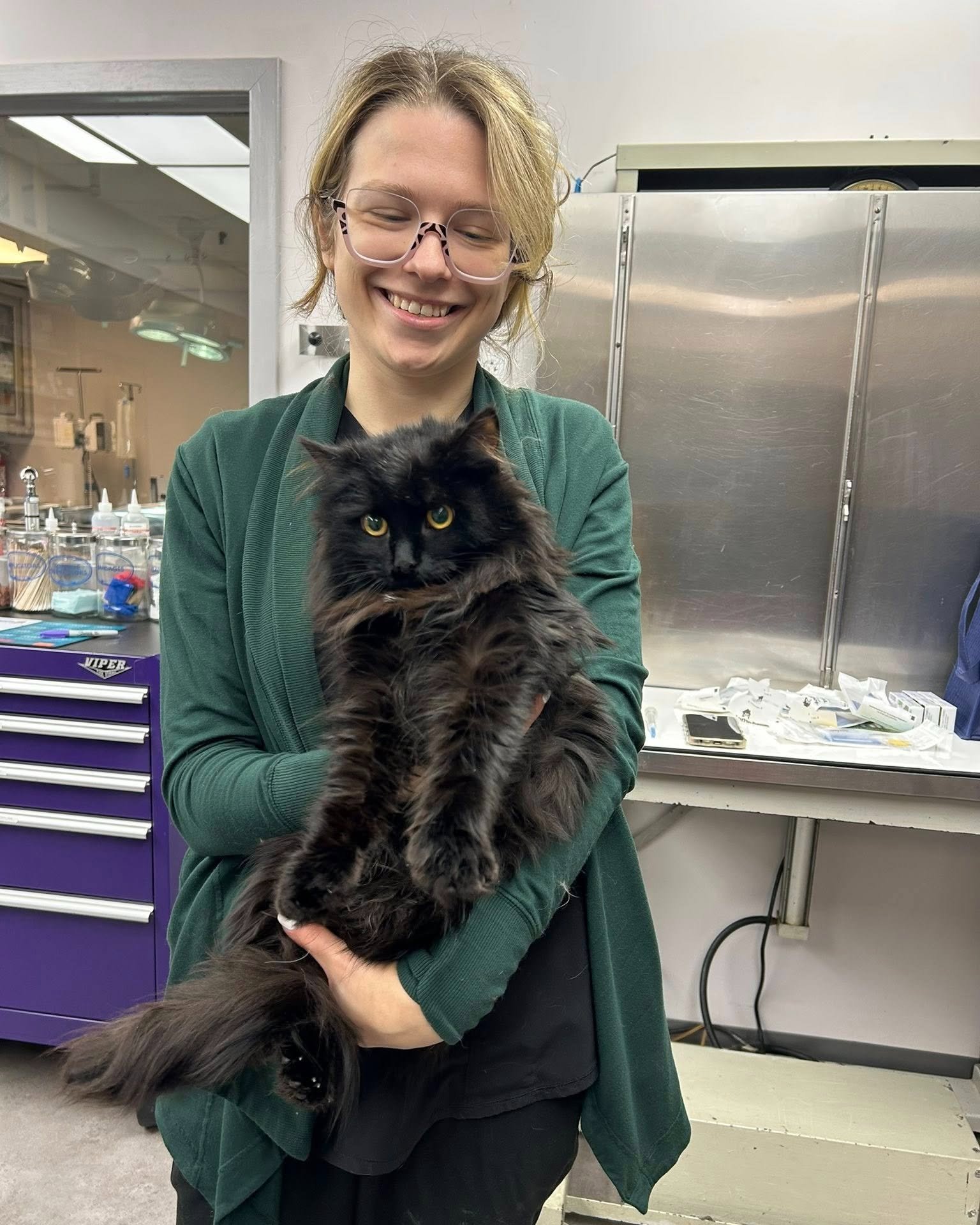
Stray Cats
A stray cat is a cat who has lived with people at some point in their life. They may have been abandoned, lost, or become separated from their family. Many stray cats can return to indoor life with patience, care, and time.
Common behaviors of stray cats may include:
Approaching people or allowing humans to come near
Meowing, seeking attention, or showing interest in people
Making eye contact and displaying relaxed body language
Accepting food, treats, or gentle interaction
Adjusting to indoor environments with patience and support
Seeking shelter, warmth, and companionship
For many stray cats, life indoors provides the safety and stability they are missing. A loving home offers protection from cars, predators, disease, harsh weather, hunger, and the stress of survival. Many stray cats thrive once they are given the opportunity to feel safe again.
Every year, thousands of community cats struggle to survive without food, shelter, or medical care. Left unspayed or unneutered, these cats reproduce quickly, leading to overpopulation, illness, and more kittens born into hardship.
TNR is a humane, effective method of managing and reducing the outdoor cat population. With your support, we’re able to:
Humanely trap stray and feral cats
Spay or neuter them to prevent further litters
Provide vaccines and medical care
Return them safely to their familiar environments, preventing new cats from moving in
Not only does this improve the lives of the cats, it protects local wildlife, reduces community complaints, and creates healthier, more manageable cat colonies.
Your donation directly funds these life-saving efforts. Help us reduce suffering, save lives, and create a safer future for cats in our community.
Understanding Community Cats & Finding the Right Solution
One of the biggest challenges community cats face is misunderstanding. A cat outside is not automatically feral, and every cat deserves to be evaluated as an individual.
A community cat is a free-roaming cat who lives outdoors and may or may not have a relationship with people. Some are friendly stray cats who were lost or abandoned and may transition into indoor homes. Others are feral cats who are not socialized to people and are often happiest living outdoors with proper care and management.
Feral Cats
A feral cat is a cat who has had little to no positive interaction with humans and is not socialized to people. Feral cats are not "bad" cats, they are simply cats whose experiences have shaped their behavior.
Common behaviors of feral cats may include:
Avoiding close contact with people
Running away or hiding when approached
Being fearful of handling or confinement
Displaying defensive behaviors when frightened, such as hissing or swatting
Becoming stressed or fearful in an indoor environment
For truly feral cats, a managed outdoor life may be the environment where they are most comfortable. With proper care through TNR, feral cats can live healthier lives in their familiar environment while preventing future litters. Managed outdoor colonies provide these cats with stability, including consistent food, shelter, medical attention, and monitoring from dedicated caregivers.
The Goal Is Not One-Size-Fits-All
The best outcome depends on the individual cat. Some cats are happiest becoming beloved indoor companions, while others are happiest remaining outdoors with responsible care and management.
At Despurate House Cats, we believe in meeting cats where they are and finding the solution that gives each cat the best quality of life.
Community Cat & TNR FAQ
-
Trap-Neuter-Return (TNR) works because it addresses the root cause of outdoor cat overpopulation: reproduction.
During TNR, cats are humanely trapped, spayed or neutered, vaccinated, provided medical care when needed, and returned to their familiar environment.
Once sterilized:
Cats can no longer produce unwanted litters
Colony populations stabilize and gradually decrease over time
Cats experience fewer behaviors associated with mating, such as fighting and roaming
Communities are able to monitor and care for healthier, more stable colonies
TNR focuses on preventing future suffering while improving the lives of the cats who are already here.
-
Removing cats from an area may seem like a solution but it often creates a cycle called the vacuum effect.
When cats are removed, the territory they occupied becomes available. Other cats from nearby areas may move in and if those cats are not sterilized, the cycle of breeding continues.
Simply removing cats does not address the reason cats are there in the first place.
TNR creates a long-term solution by:
Preventing new litters
Reducing the number of cats entering the environment over time
Creating stable colonies that can be monitored and cared for
Addressing the population issue humanely
-
TNR is about more than population control. It improves the lives and health of individual cats.
Sterilized cats:
Receive essential vaccinations and medical attention
Experience fewer injuries from fighting and mating behaviors
Are less likely to roam long distances searching for mates. This helps prevent crossing busy roads or coming across wild animals.
Have improved overall health and stability
Can remain in familiar environments with known caregivers
For cats who are not socialized to humans, forcing them into an indoor environment can create significant stress. TNR allows these cats to live the life that best fits their needs while ensuring they receive care and protection.
-
Responsible TNR helps create healthier relationships between outdoor cats, wildlife, and communities.
Benefits include:
Fewer kittens born outdoors without care
Reduced community complaints related to mating and territorial behaviors
Healthier, more stable cat populations
Better monitoring of outdoor cats and their needs
Less pressure on already overwhelmed shelters and rescues
TNR helps communities move from crisis response to proactive, humane management.
-
Many community cats survive because of dedicated people who step up to help them. TNR supports these caregivers by creating a more manageable situation.
After TNR:
Caregivers are no longer overwhelmed by endless litters of kittens
Cats are healthier and easier to monitor
Colonies become more stable over time
Caregivers can focus on providing consistent care rather than constantly responding to population growth
TNR gives caregivers the tools they need to help cats responsibly.
-
Every cat helped through TNR requires resources. On average 1 healthy cat TNR cost us $175. Costs may include:
Spay/neuter surgery
Rabies vaccination
Core vaccines
Parasite prevention
Medical treatment
Trapping equipment
Transportation and follow-up care
At Despurate House Cats, donations directly help provide these services to cats throughout Connecticut. Even a small contribution helps another cat receive the care they need.
-
There are many ways to make a difference:
Donate: Help fund spay/neuter surgeries, vaccines, and medical care.
Foster: Some outdoor cats and kittens need time, socialization, or medical recovery before adoption. Some feral cats need a place to spend the night while they recover from surgery in their trap.
Volunteer: Help with trapping, transportation, events, fundraising, or outreach.
Educate: Share accurate information about stray cats, feral cats, and TNR.
Support caregivers: Many community cats survive because of compassionate neighbors who provide food, shelter, and monitoring.
Together, we can reduce suffering, prevent unwanted litters, and create healthier communities for cats throughout Connecticut.